 Mattresses
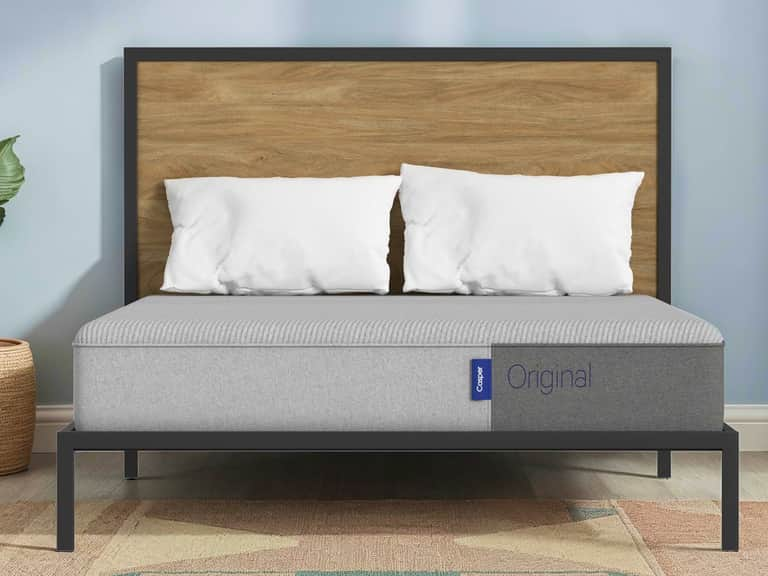
Original Mattress
Sleep cooler and cradled by responsive foam that aligns your spine with three-zone support for balanced, pressure-free comfort from top to base.
Foam mattresses are engineered to provide balanced support and contouring, distributing body weight to reduce pressure points and promote spinal alignment. They often combine different foam densities and layers to optimize comfort, durability, and motion isolation. Understanding foam composition helps consumers assess suitability for different sleep preferences and firmness needs within the bedding category.
In this category, the Original Mattress typically emphasizes balanced responsiveness and durability, offering a dependable foam core paired with comfort layers. Users can expect steady comfort that adapts to sleeping positions while maintaining support for the hips and shoulders. Such designs are suitable for diverse body types and sleep styles.
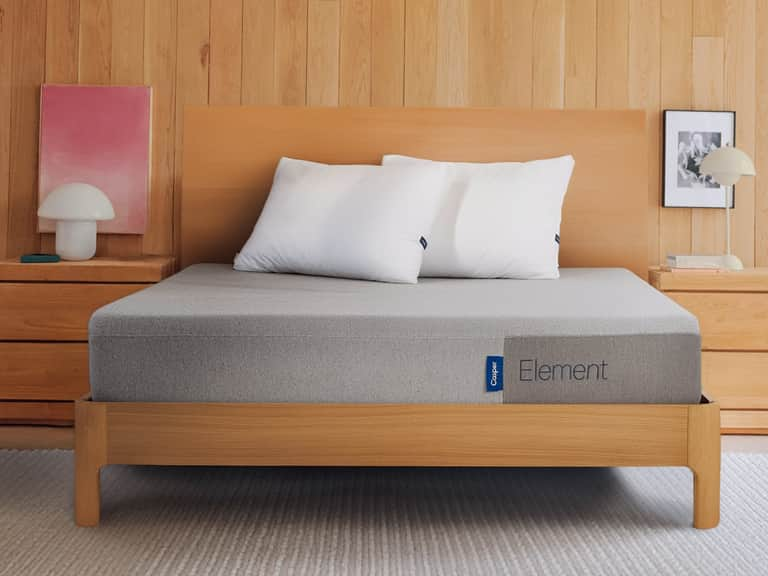
The Element Mattress prioritizes a thoughtful blend of foam technologies that aim to deliver gradual contouring without excessive sinking. This model often features zoned or graduated foams to support spinal alignment while preserving ease of movement, making it a practical option for couples and individuals seeking versatile comfort.
Key features to evaluate include density, resilience, and ventilation. Higher-density foams commonly provide longer-lasting support and better edge stability, while open-cell constructions promote airflow to help regulate temperature. Latex-infused or specialty foams can offer additional resilience and a distinct feel within foam-mattress designs.
When considering foam mattresses for a complete bedroom setup, users may also explore related bedding components such as pillows, sheets, and organic mattress options. Integrating appropriate layers and materials, including latex alternatives and organic components, supports overall sleep health and durability in a bedding system.
Mattresses
 Mattresses